
Why the future of water infrastructure is not just about detecting leaks, but enabling better operational and investment decisions
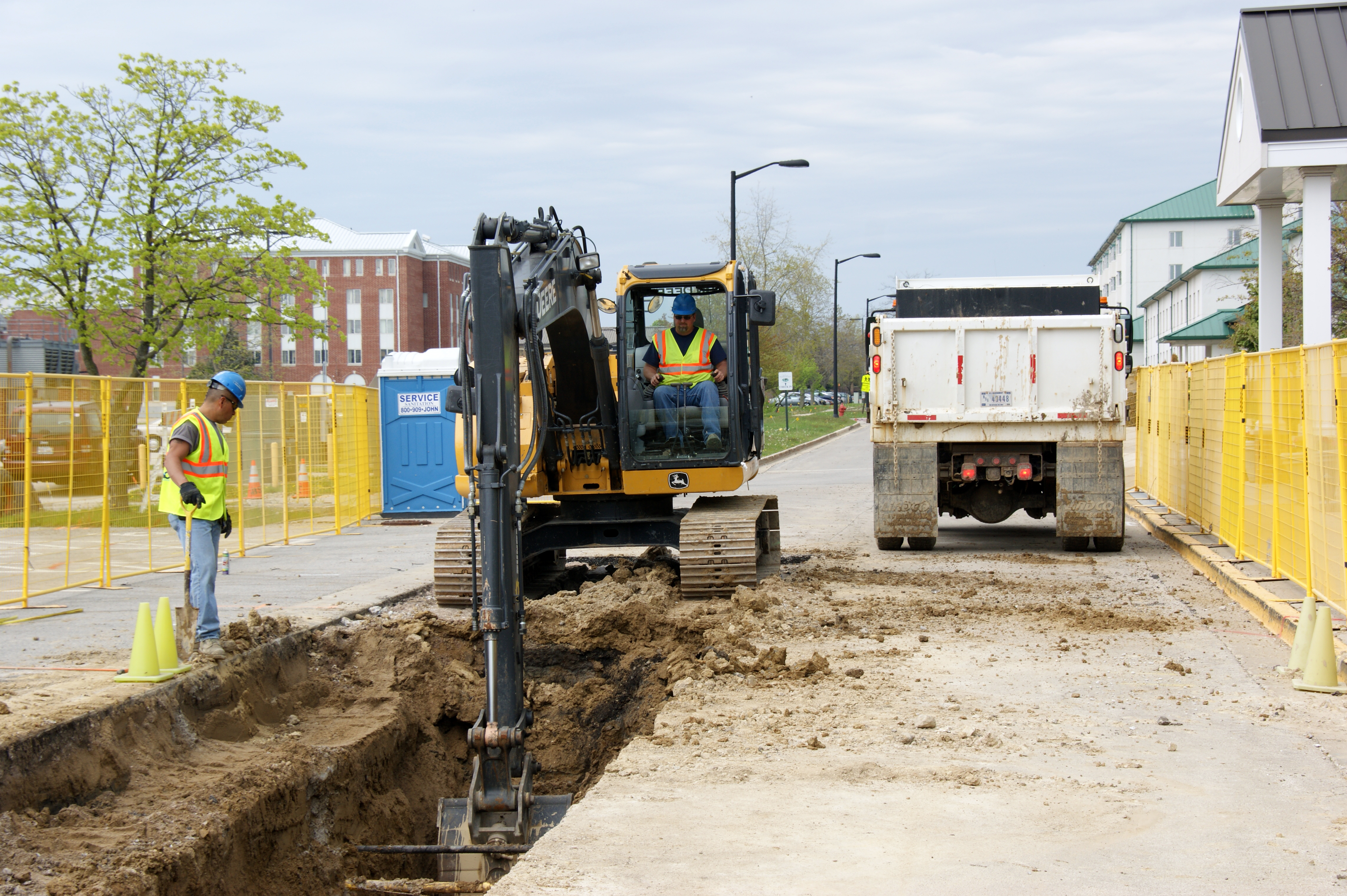
Water utilities are under pressure from every direction: aging infrastructure, rising operating costs, tighter environmental expectations, and growing demands for resilience. Over the past decade, the sector has made major progress in network digitalisation, from smart metering and pressure sensing to predictive analytics and increasingly advanced modelling tools.
But one critical gap remains.
Utilities may know that something is wrong in the network. They may even know roughly where performance is declining. Yet in many cases, they still lack the kind of direct, high-quality pipe-condition data needed to make confident maintenance and investment decisions. That is where the next market shift is emerging.
The challenge is bigger than leak detection
For years, innovation in the water sector has focused strongly on leakage reduction and non-revenue water. That focus remains essential. But utilities are increasingly looking beyond leak detection alone. What they really need is better asset intelligence. They need to understand not only whether a pipe is underperforming, but why. They need to assess condition more accurately, intervene earlier, prioritize budgets better, and avoid both unnecessary replacement and costly late action. In other words, the market is moving from reactive problem-finding toward smarter infrastructure decision-making. This shift matters because pipe replacement is expensive, disruptive, and difficult to scale efficiently across large, aging networks. Replacing too early destroys value. Replacing too late increases the risk of failures, emergency interventions, reputational damage, and service disruption. The business case for better inspection is therefore not just technical. It is operational, financial, and strategic.
Why current methods are not enough
Today, utilities often combine indirect network intelligence with field-based inspection and maintenance practices. These may include hydraulic monitoring, acoustic methods, excavation, CCTV in specific contexts, and routine replacement planning.
These tools are valuable, but they do not always provide a complete picture of actual pipe condition from inside the network. And when utilities are forced to make critical decisions with incomplete information, they tend to fall back on conservative assumptions, fragmented interventions, or costly replacement strategies. That creates a clear market opportunity for solutions that can generate more actionable insights with less disruption.
Not just more data, but better decision data.
What utilities are looking for now
The water sector does not adopt innovation simply because it is advanced. It adopts innovation when it is practical, trusted, compliant, and clearly linked to operational value.
That means utilities are not looking for robotics for their own sake. They are looking for solutions that can help them:
- improve maintenance planning
- support condition-based asset management
- reduce unnecessary excavation and replacement
- document network condition more effectively
- lower intervention risk
- strengthen long-term resilience of drinking water infrastructure
This is why the market conversation around internal pipe inspection is changing. The question is no longer only “Can this technology detect defects?” The question is increasingly “Can this solution fit real utility operations and support better decisions at scale?”
A more realistic route to market
One of the most important lessons from advanced water innovation projects is that adoption does not happen in one leap.
Utilities do not move overnight from conventional field practices to fully autonomous robotic ecosystems. Real deployment happens step by step. First through specific use cases. Then through repeatable service models. Then through trust, validation, and integration into regular operations. That is why the most promising route to market for advanced inspection technologies is often not product-first, but service-first.
A service model allows utilities to access innovation without carrying the burden of owning, operating, maintaining, and validating complex robotic systems themselves. Instead of purchasing a technology platform, they purchase a result: inspection, documentation, reporting, and actionable insight. This lowers barriers to adoption and makes innovation easier to test in operational reality.
Why this matters for TUBERS
This is exactly where TUBERS enters the conversation. TUBERS is contributing to a broader transformation in how drinking water networks may be inspected and managed in the future. Its value is not only in robotics, sensing, or advanced engineering. Its deeper value lies in helping the sector move toward a more informed model of infrastructure management. That means enabling utilities to gather better information from inside their networks, improve how they evaluate pipe condition, and create a more practical pathway from technical innovation to real-world deployment.
For the market, this is highly relevant, because the future winners in water innovation will not be the technologies that look most impressive in isolation. They will be the solutions that utilities can actually adopt, trust, and integrate into their asset strategies.
The business opportunity ahead
As water networks age across Europe and beyond, demand for better inspection and condition intelligence will continue to grow. Utilities are being asked to deliver more sustainable, more resilient, and more cost-effective operations while protecting essential public infrastructure. That creates space for a new generation of inspection services and technologies that are aligned not only with engineering ambition, but with real market need.
In that sense, the opportunity is not just to find defects faster. It is to help utilities make better decisions, use capital more wisely, reduce disruption, and build more resilient networks for the long term. That is the transition now taking shape in the sector. And that is why the conversation is moving from innovation alone to adoption, usability, and business value.
At TUBERS, we believe the next chapter in water innovation is not only about what technology can do inside the pipe, but about how that technology can create practical value for utilities, infrastructure managers, and the wider water sector.