
How flexible robotic systems could help make water network maintenance more targeted, less disruptive, and more efficient
Water utilities are under growing pressure to maintain aging infrastructure while reducing costs, avoiding unnecessary disruption, and improving long-term network resilience. That is not an easy balance to achieve. Traditional maintenance and repair methods often require excavation, operational downtime, and significant field effort. In many cases, even identifying the exact problem area is already difficult. Repairing it in a fast, targeted, and minimally invasive way is an even greater challenge. This is why new approaches are attracting attention across the water sector. One of the most promising is soft robotics.
What is soft robotics?
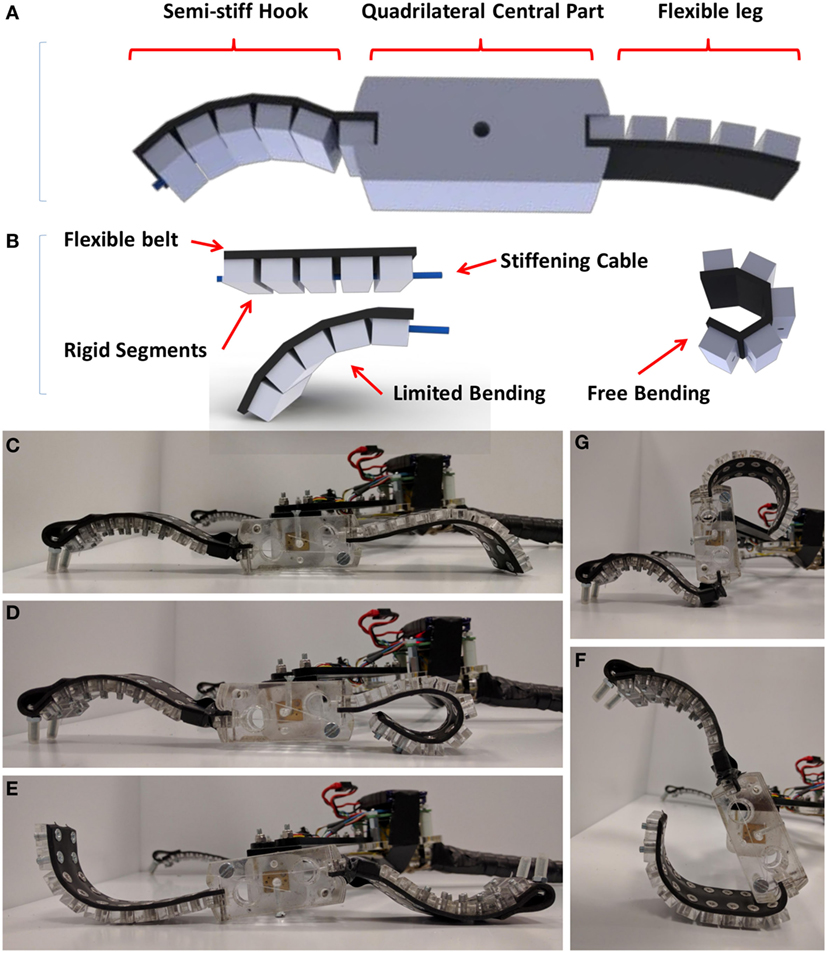
Soft robotics is an area of robotics that uses flexible, compliant structures rather than relying only on rigid mechanical systems. This makes robots better suited to environments that are tight, irregular, sensitive, or difficult to access. In the case of water distribution networks, that flexibility is especially relevant.
Pipelines are not simple or uniform spaces. They include bends, diameter changes, access limitations, and conditions that can be difficult for conventional systems to handle. A softer, more adaptable robotic approach may offer important advantages in this kind of environment.
Why does it matter for water networks?
For water companies, the long-term goal is not to introduce robotics for the sake of innovation alone. The goal is to improve how maintenance and repair are carried out. A robotic system that can move through constrained pipe environments and support highly targeted interventions could help utilities reduce excavation needs, limit disruption to surrounding areas, and respond more precisely to local defects. That would be valuable not only from a technical perspective, but also from an operational and economic one. Generally speaking, the less invasive a repair process is, the greater the potential benefit for utilities and communities alike.
From broad intervention to targeted action
One of the biggest challenges in pipeline maintenance is that problems are often highly localized, while interventions are often much broader. A defect may affect only a small area of pipe, but accessing and repairing it can still require significant time, labour, and cost. This is one reason why the sector is increasingly interested in technologies that support more precise, targeted maintenance strategies.
Soft robotic systems fit naturally into that conversation, because they are designed to adapt to confined spaces, they open up the possibility of carrying out interventions closer to the exact point where action is needed. Over time, this could contribute to a shift from more disruptive repair practices toward smarter and more selective maintenance approaches.
Why flexibility is such an advantage
Rigid systems have clear strengths, but flexibility can be a major advantage in pipe environments.
A softer robotic structure may be better able to:
- adapt to the geometry of the pipe
- move through more constrained sections
- interact more gently with internal surfaces
- support operations in spaces where traditional tools are harder to deploy
This does not mean soft robotics will replace all conventional approaches. But it does suggest that it could become an important complement in situations where adaptability and precision matter most. That is why soft robotics is gaining interest not only in research and innovation circles, but also in broader discussions about the future of infrastructure maintenance.
A new way of thinking about repair
What makes soft robotics exciting is that it encourages a different mindset.
Instead of assuming that maintenance always requires large-scale external access, it points toward a future where at least some inspection and repair actions could be carried out from within the network itself, in a more localized and controlled way. That idea is especially relevant for drinking water infrastructure, where reliability, safety, and continuity of service are essential.
If utilities can gain access to technologies that help them intervene more selectively, they may be able to improve not only efficiency, but also decision-making. The value is not just in doing repairs differently. It is in making the overall maintenance strategy more intelligent.
Why this matters for the wider sector
The water sector is entering a period where infrastructure decisions must be more precise, more sustainable, and more cost-effective than ever before.
Utilities are being asked to extend asset life where possible, prioritize investment carefully, and reduce the environmental and social impact of interventions. In that context, advanced robotic approaches are becoming increasingly relevant.
Soft robotics stands out because it aligns well with some of the sector’s biggest needs:
- less disruptive maintenance
- more targeted interventions
- better use of resources
- stronger long-term resilience
For that reason, it represents more than a technical curiosity. It reflects a broader direction of travel in the industry.
Looking ahead
The future of pipeline maintenance will likely involve a combination of methods, tools, and technologies. No single solution will answer every challenge. But soft robotics offers a compelling glimpse of how repair strategies could evolve. More flexible systems could help utilities move toward maintenance approaches that are not only effective, but also more adaptable to the realities of complex water networks.
For TUBERS, this is part of a wider vision: helping support smarter, more practical, and less disruptive ways of maintaining critical drinking water infrastructure.
And that is why soft robotics deserves attention, not only as an innovation, but as a possible step toward the future of pipeline repair.
Soft robotics could open the door to more targeted, less disruptive pipeline repair. As water utilities look for smarter ways to maintain aging infrastructure, flexible robotic systems are emerging as a promising part of the future maintenance toolbox.